


Jan 19, 2026
Airbnb vs. Traditional Rentals in Paraguay
A practical comparison of short-term and traditional rentals in Paraguay, including expenses, tenant profiles, and profitability considerations.
Pros, cons, expenses, unit types, clients, and real profitability.
Investing in rental properties in Paraguay is increasingly attractive for both local and foreign investors. The recurring question is simple: is it better to rent through Airbnb or through a traditional lease?
The right answer depends on the product, the location, and the investor’s profile. The goal is not to choose the most fashionable format, but the one that fits the asset and the desired level of management.
Basic Differences
| Feature | Airbnb / Short-Term Rental | Traditional Rental |
| Duration | Days or weeks | 12 to 24 months |
| Turnover | High | Low |
| Management | Active | Passive |
| Monthly income | Variable, with higher potential | Stable |
| Vacancy risk | Medium | Low |
| Best for | Active investors | Conservative investors |
Airbnb Rentals in Paraguay
Pros
- Higher monthly income potential
- Ability to adjust prices for events, tourism, and corporate demand
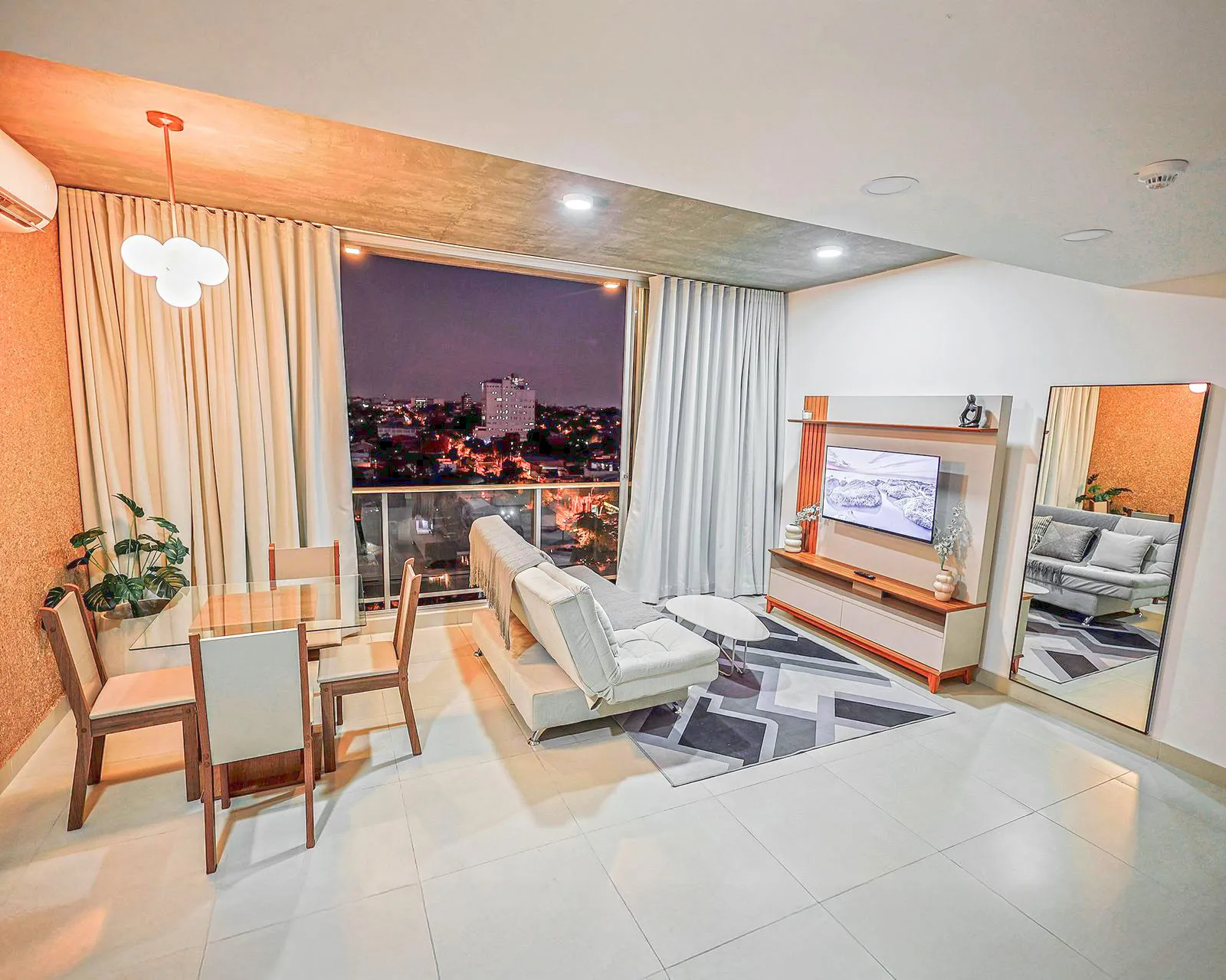
- Strong fit for small, well-equipped units
- Attractive for foreign investors
Cons
- Requires active management or an operator
- Income is not guaranteed every month
- Furniture and equipment wear faster
- Performance depends on platforms such as Airbnb and Booking
Typical Expenses
- Cleaning after each stay
- Platform commission, usually around 3% to 15%
- Management fee if outsourced
- Utilities, internet, building fees, and maintenance
- Replacement of linens, furniture, and household items
Client Profile
Short-term rentals usually serve tourists, executives, expatriates, people traveling for medical or temporary work reasons, and Paraguayans from the interior or abroad.
Traditional Rentals in Paraguay
Pros
- Stable and predictable income
- Simpler management
- Lower wear on the property
- Good fit for passive income strategies
Cons
- Lower monthly income ceiling
- Less flexibility to adjust rent
- Dependence on a single tenant
Typical Expenses
The traditional format usually involves fewer operating expenses. Building fees, ordinary maintenance, and occasional vacancy periods are the key variables to monitor.
Which Model Is More Profitable?
Airbnb can generate higher gross income in the right location, especially with compact, well-equipped units near corporate, academic, medical, or tourism demand. Traditional rentals offer less upside but more stability and lower operational intensity.
For investors who want active management and are comfortable with variable monthly results, short-term rental may be attractive. For investors seeking stability and lower involvement, traditional rental can be the better fit.
Conclusion
The best model is the one aligned with the property’s location, unit type, equipment, and the investor’s risk profile. In Paraguay, both strategies can work when the product is selected with data and managed professionally.
Keep reading
Suggested reading

Guide for non-residents
Foreign investor guide
Documentation, steps, and support to organize an investment from abroad.
Explore the guide
Investor guide
Investing in Paraguay
Context, locations, and entry points to evaluate a real estate investment with greater clarity.
Explore the opportunity
Opportunities in Paraguay
Apartments in Paraguay to invest in
A selection of developments and units to compare stages, locations, and terms.
View apartments